
The University of Bristol was founded 150 years ago in 1876, as University College, Bristol. The founding of the College is attributed to John Percival (headmaster of Clifton College) who aspired to create a university culture in provincial England. The city of Bristol, during the Victorian era, was a bustling hub of industry, commerce and culture and other cities, such as Liverpool, Manchester and Leeds were already starting to establish their own institutions. The college opened with a skeleton crew of 7 academics (teaching 300+ students!) in rented premises and was open to women and men on the same basis (except medicine). In 1903, University College, Bristol received its Royal Charter to become the University of Bristol.
Today, the University of Bristol has over 30,000 undergraduate and postgraduate students enrolled, with just under 4,000 academic staff (2024/25), across faculties in Arts, Law and Social Sciences, Science and Engineering as well as Health and Life Sciences. The Cabot Institute for the Environment was founded in 2010, acting as a multidisciplinary research centre to tackle global environmental challenges. In 2019, Bristol was one of the first UK universities to declare a climate emergency. In 2024, The University of Bristol was crowned ‘AI University of the Year’ with Isambard-AI being the UK’s most powerful super-computer (TOP500) as well as one of the greenest (Green500).
The University of Bristol’s main Clifton campus is located in central Bristol, with the iconic Wills Memorial Building commanding the top of the recognisable view looking up Park Street, which is famous for its independent shops, cafés and bars.
Queens Building will be the host venue for this year’s conference, accessible from University Walk and Woodland Road, and acts as the central hub for education and research within the Faculty of Engineering. The original building was opened by Queen Elizabeth II in 1958, and refurbished in 1999, shortly after the construction of the Merchant Venturers Building. In 2017, the building was extended to accommodate a modern flexible teaching space which is also used for events, as well as new workshop and laboratory facilities.
The University of Bristol is open and transparent about its history and associations with the transatlantic slave trade. Wealthy families in Bristol had founding roles with the university, such as the Fry’s and Will’s families, whose previous generations made their fortunes from the tobacco, sugar and cocoa industry. The university also had links with the Merchant Venturers Society and Edward Colston, who’s statue in central Bristol was famously toppled by demonstrators in 2020. Given that Fry, Will’s and Colston are recognised on the University Crest, as well as campus buildings, the university changed its logo in 2024 as part of its Reparative Futures Programme.
In 2026, the University of Bristol is now ranked as one of the top 10 universities in the UK (QS world rankings 2026) and will open its new Temple Quarter Enterprise Campus in the heart of the city later in the year, as well as introducing a new campus in Mumbai, India.
The city of Bristol has a vibrant culture, strong sense of community and endless opportunities to try new things. As well as an incredibly varied music scene, Bristol has an array of museums, galleries and attractions such as the famous Clifton Suspension Bridge and Brunel’s SS Great Britain. Visitors can also make the most of the bustling city centre, explore leafy Clifton Village or take a ferry trip around the Harbourside before having a bite to eat and drink at Wapping Wharf. There is far too much to fit into a paragraph, so visitors are recommended to look at https://visitbristol.co.uk/ if they are planning to extend their stay in the West Country.
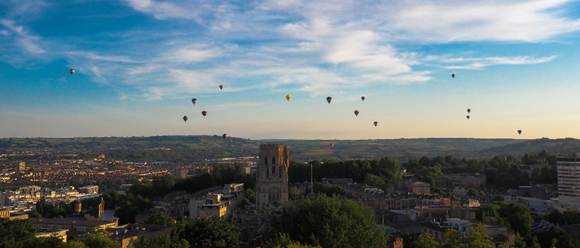
Aerial view of Clifton campus with air balloons [University of Bristol].
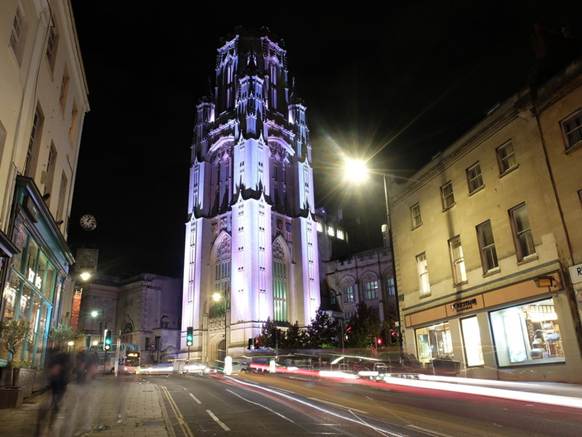
Wills Memorial Building from Park Street [University of Bristol].
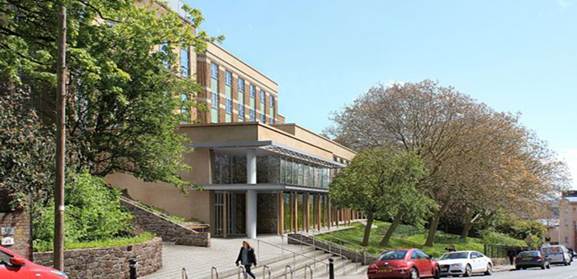
Exterior of Queens Building from Woodland Road [University of Bristol].
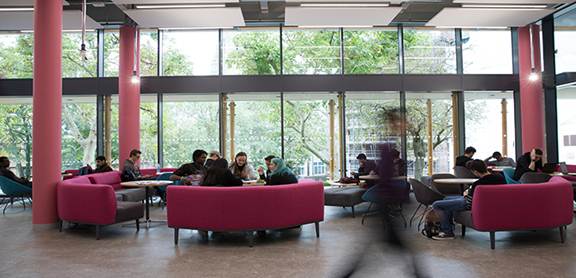
Queens Building Atrium [University of Bristol].
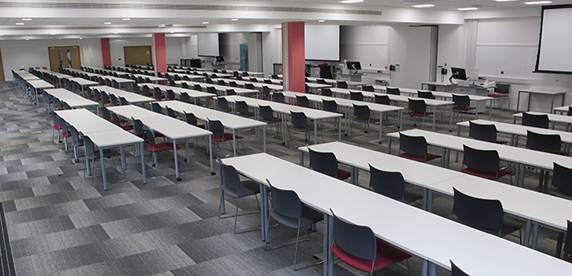
Bill Brown Design Suite [University of Bristol].
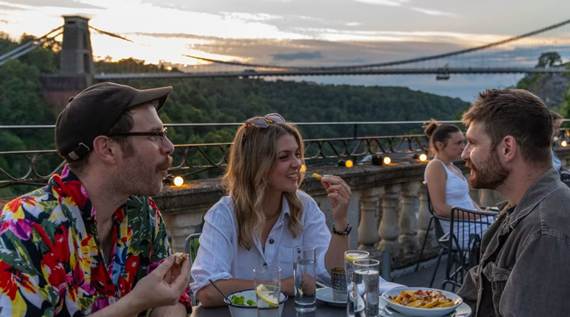
View of Clifton Suspension Bridge from the White Lion [Visit Bristol].
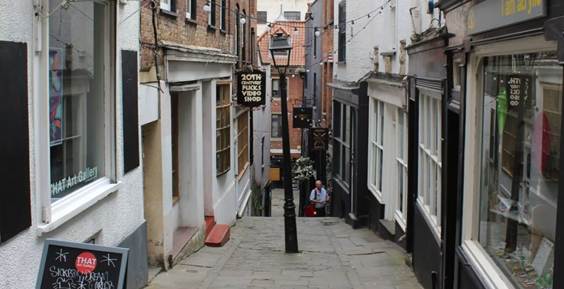
Christmas Steps [Visit Bristol].
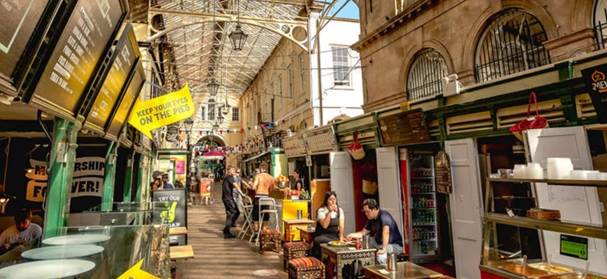
St Nicholas Market [Visit Bristol].
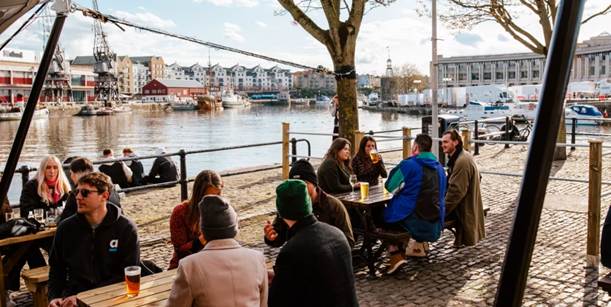
Bristol Harbourside [Visit Bristol].
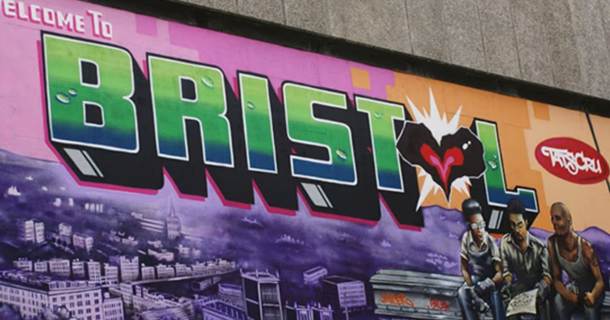
Welcome to Bristol Mural by Tats Cru [Visit Bristol].
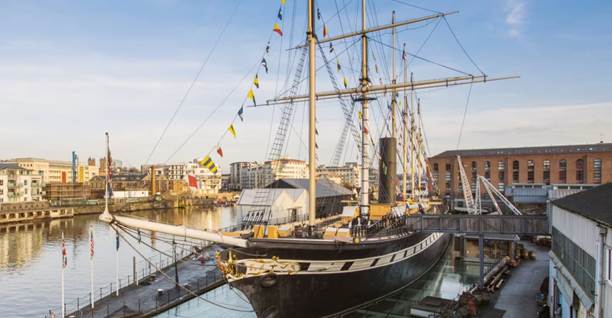
Brunel’s SS Great Britain [Visit Bristol].